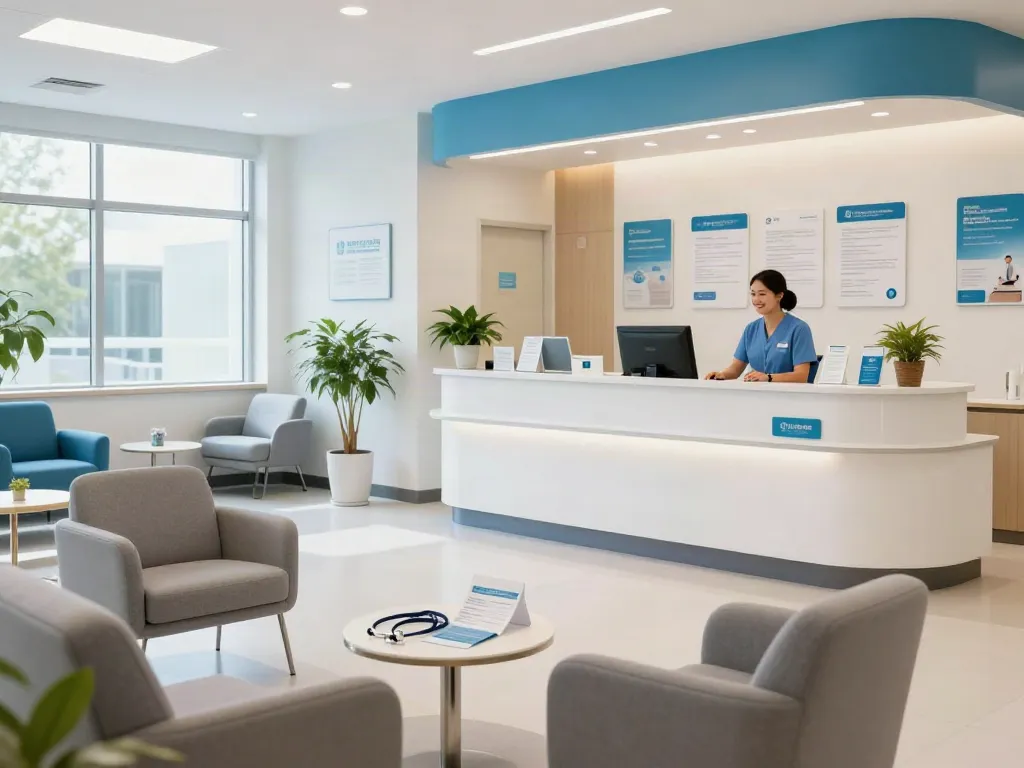
Understanding Patient Care in the Modern Landscape
In today's fast-paced healthcare environment, patient care extends beyond the confines of traditional clinical settings. It embodies a holistic approach intended to address not just the physical ailments but also the emotional and psychological needs of patients. Through progressive educational institutions like ALIAC, aspiring healthcare professionals are equipped with the knowledge and skills necessary to foster effective patient interactions. For those exploring educational options in the medical field, situs gacor provides comprehensive insights into how academic frameworks can influence patient care paradigms.
What is Patient Care?
Patient care refers to a wide array of services designed to maintain or improve a patient's health status. It encompasses preventative measures, diagnosis, treatment, and rehabilitation. Paramount to effective patient care is the establishment of a caring relationship between healthcare providers and patients, fostering trust and promoting collaborative decision-making. This dynamic is further enhanced by the integration of evidence-based practices into treatment protocols.
The Role of Healthcare Providers
Healthcare providers serve as the cornerstone of effective patient care. This group includes doctors, nurses, therapists, and administrative staff who work collectively to provide comprehensive health services. They are responsible for assessing patient needs, developing treatment plans, and monitoring progress. By maintaining open lines of communication and demonstrating empathy, healthcare providers can significantly elevate the quality of care and treatment outcomes for their patients.
Importance of Compassionate Care
Compassionate care is vital in fostering trust and shaping positive healthcare experiences. Research indicates that when patients feel cared for and understood, they are more likely to adhere to treatment plans and engage proactively in their health management. It involves active listening, empathy, and establishing a supportive environment to deal with both emotional and physical health challenges effectively.
Innovative Solutions in Healthcare
As technology continues to evolve, so does the landscape of patient care. Innovations such as telemedicine and digital health tools are reshaping how healthcare services are delivered. These advancements not only improve accessibility to care but also enhance patient engagement, leading to better health outcomes.
Telemedicine: Transforming Patient Consultations
Telemedicine has revolutionized remote patient care by enabling consultations via video, phone calls, or messaging. This modality has become increasingly crucial, especially in light of the ongoing global health challenges. It allows patients to receive timely advice and treatments without the need for in-person visits, thereby reducing the risk of exposure to infectious diseases.
Evidence-Based Practices for Better Health Outcomes
Integrating evidence-based practices into patient care protocols is essential for enhancing the efficacy of treatments. These practices involve utilizing the best available research evidence to inform clinical decisions. By prioritizing evidence in patient assessments and treatment plans, healthcare providers can yield improved medical outcomes over time.
Digital Health Innovations for Patient Engagement
The rise of digital health technologies is paving the way for more personalized patient care experiences. Apps and wearable devices that track health metrics empower patients to take charge of their health. By staying informed and connecting with their healthcare providers conveniently, patients can proactively address health concerns and make more informed choices.
Preventive Health Measures for All Ages
Preventive health measures are critical in reducing the incidence of diseases across various age groups. Establishing a foundation of preventive care can lead to early interventions, thereby enhancing quality of life and extending longevity.
Routine Screenings and Health Check-Ups
Regular health screenings enable early detection of potential health issues. Patients should be familiar with recommended screening schedules based on age, gender, and risk factors. These check-ups facilitate timely interventions that can significantly alter disease progression and improve health outcomes.
Importance of Nutrition and Lifestyle Medicine
Nutrition and lifestyle choices play a pivotal role in health management. Educating patients about balanced diets, physical activity, and mental well-being fosters a proactive approach to health. Integrating lifestyle medicine into patient care facilitates better management of chronic conditions such as diabetes, hypertension, and obesity.
Caring for Geriatric and Pediatric Populations
Different age groups have unique healthcare needs, and tailored approaches are critical for effective patient care. Geriatric patients may require more complex care coordination, while pediatric care often focuses on developmentally appropriate practices. Understanding these differences ensures that individuals receive the optimal care to suit their life stage.
Mental Health Awareness and Resources
Mental health, often overlooked in healthcare systems, is an integral component of overall wellness. Increased awareness, diagnoses, and therapeutic options are essential for addressing mental health needs effectively.
Identifying Mental Health Issues in Patients
Awareness of mental health symptoms is crucial for early diagnosis and intervention. Healthcare providers should be trained to recognize mood changes, anxiety, and behavioral shifts in patients, which may indicate underlying mental health disorders. By proactively addressing these signs, providers can facilitate timely referrals to mental health specialists.
Available Therapies and Support Systems
Numerous therapies and support systems are available for individuals experiencing mental health issues. Cognitive-behavioral therapy (CBT), medication management, and group therapy offer various avenues for treatment. Creating a supportive atmosphere encourages patients to seek help, thereby lowering stigma around mental health conditions.
Creating Safe Spaces for Vulnerable Populations
Creating environments conducive to open dialogue about mental health fosters trust and encourages individuals to share their needs and experiences. Healthcare providers must prioritize developing safe, inclusive spaces for vulnerable populations to ensure that everyone has access to appropriate mental health resources.
Understanding Healthcare Costs and Insurance Navigation
Navigating the financial aspects of healthcare can be daunting for patients. Understanding costs, coverage options, and insurance plans is essential for accessing necessary services without undue burden.
Navigating Health Insurance for Patients
Health insurance can sometimes appear complex, with an array of options tailored to varying needs. Patients need to be educated about different types of policies, coverage specifics, and how to effectively utilize their benefits to minimize out-of-pocket expenses.
Transparency in Healthcare Costs
Transparency in healthcare costs enhances patient autonomy and facilitates informed decision-making. Providers should strive to clearly communicate pricing for services and procedures, allowing patients to weigh their options before proceeding.
Chronic Disease Management: Costs and Care Strategies
Managing chronic illnesses involves careful planning and often incurs significant costs. Establishing comprehensive care strategies that focus on education, lifestyle management, and coordinated appointments can greatly reduce the impact of chronic diseases on patients' lives.